


Antique Silver Hardware: An Overview
November 12, 2026 · Erich Theophile
Antique silver is one of H. Theophile’s signature hardware finishes. It has a warmth and depth that is exceptionally suited to highlighting finely detailed hardware.
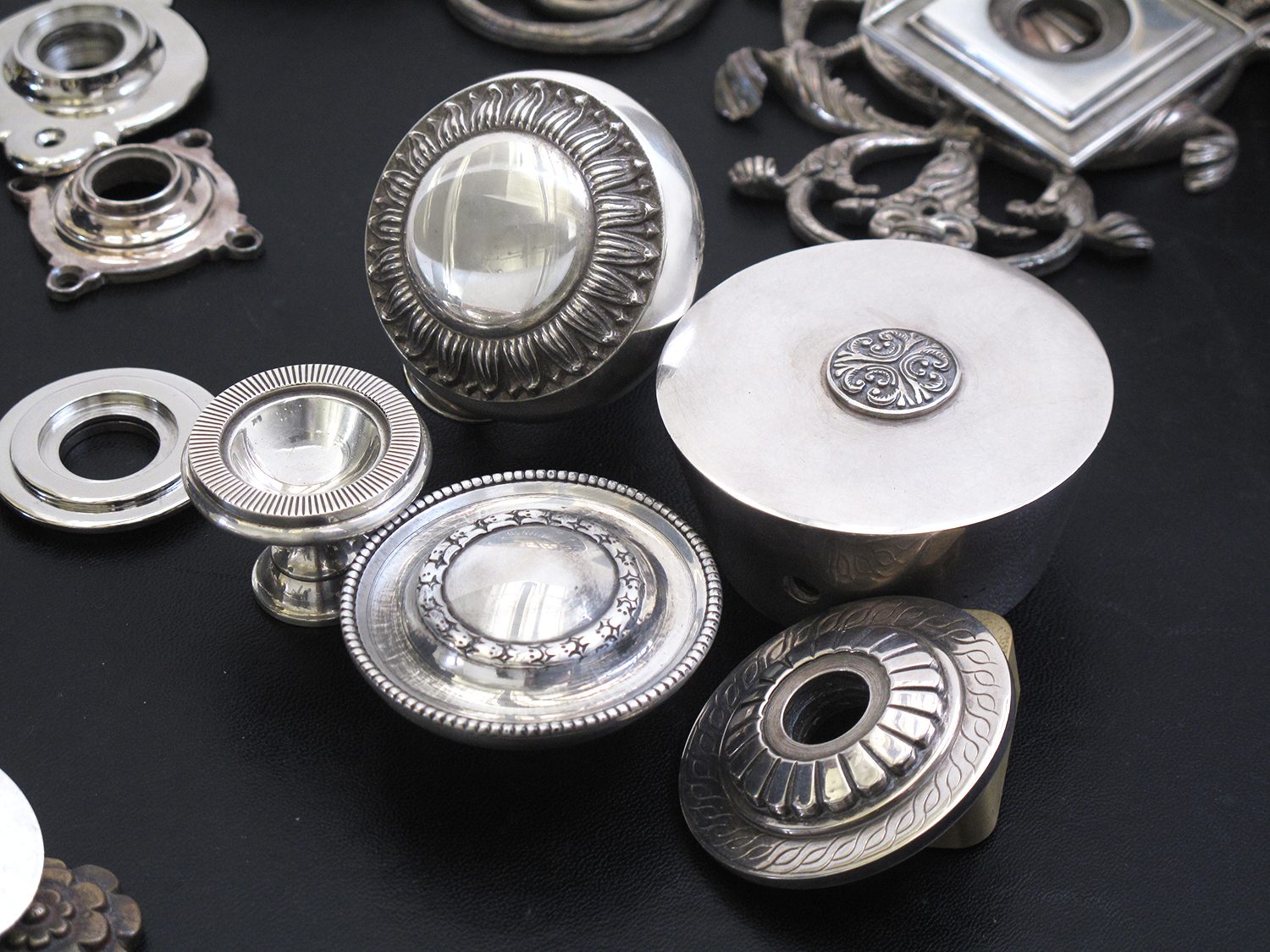
When we built our New York studio in 2001, we chose to display much of our hardware in a light antique silver finish. We found that its softly aged appearance showcased fine decorative detail, catching light across edges, contours, and ornament while offering a warmth that a polished nickel finish could not.
Hardware finished in antique silver is an ideal complement to traditionally detailed and paneled doors and millwork and interiors with elaborate mouldings and cornices. Antique silver hardware naturally brings a historical feel to a room’s doors, cabinetry and overall décor.
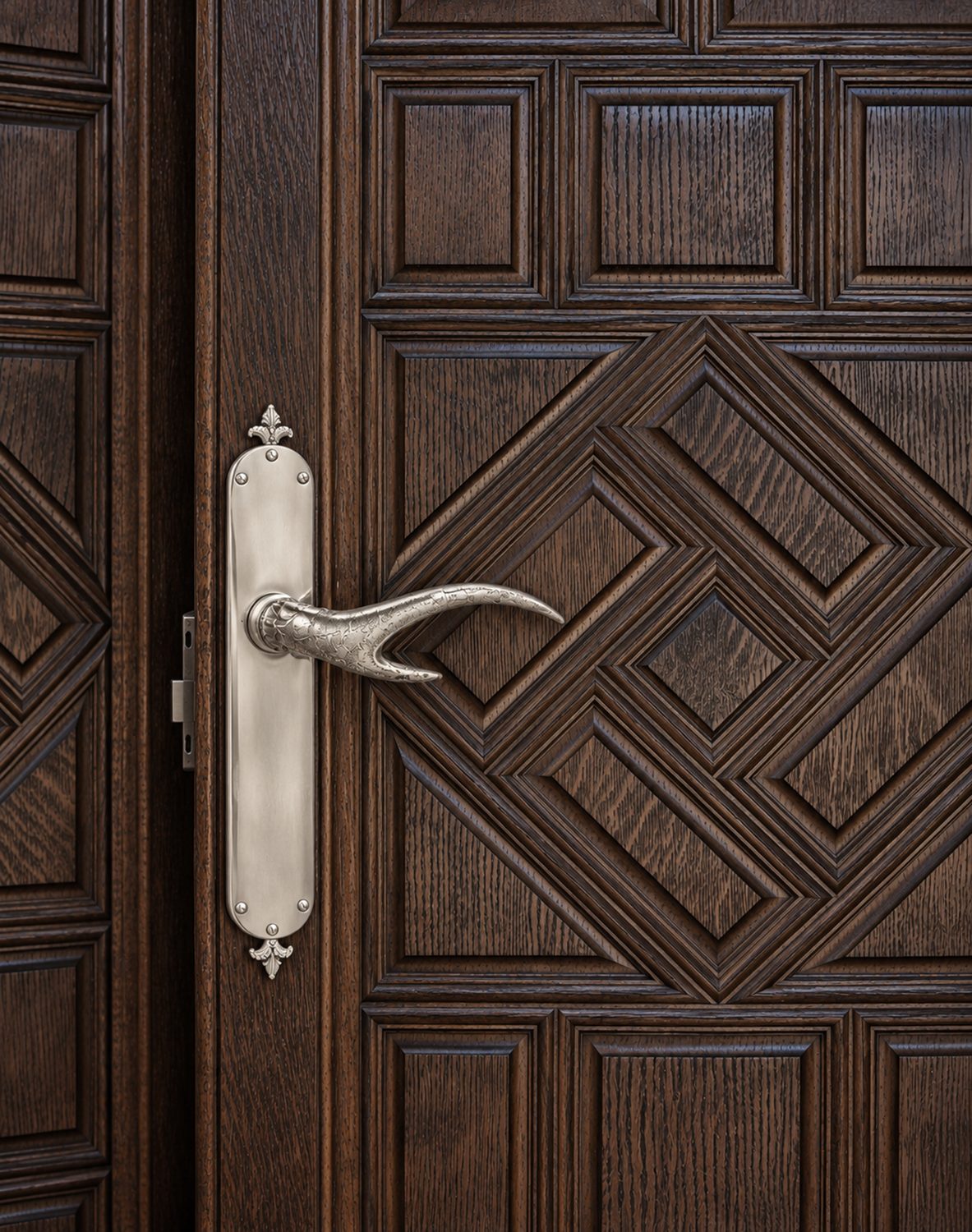
What Is an Antique Silver Finish?
H. Theophile hardware is typically made from solid brass or bronze. Our antique silver finish begins with a sophisticated electroplating process, followed by multiple stages of patination and hand rubbing to create a white-metal surface with exceptional depth. The patina settles into recesses while raised details are rubbed back to a soft luster, accentuating the modeling and character of the piece.
Even after immediate installation, silver plated hardware conveys an appearance of natural aging. Hardware newly finished in antique silver takes on the depth and character of an antique hardware original that has been in place for years or even decades. And with time, antique silver hardware continues to evolve and develop the individual character of an antique original.
Antique silver is part of H. Theophile’s broader palette of hand-finished patinas, alongside antique brass, antique bronze, dark statuary bronze, and various pewter finishes.
Antique Silver as a Living Finish
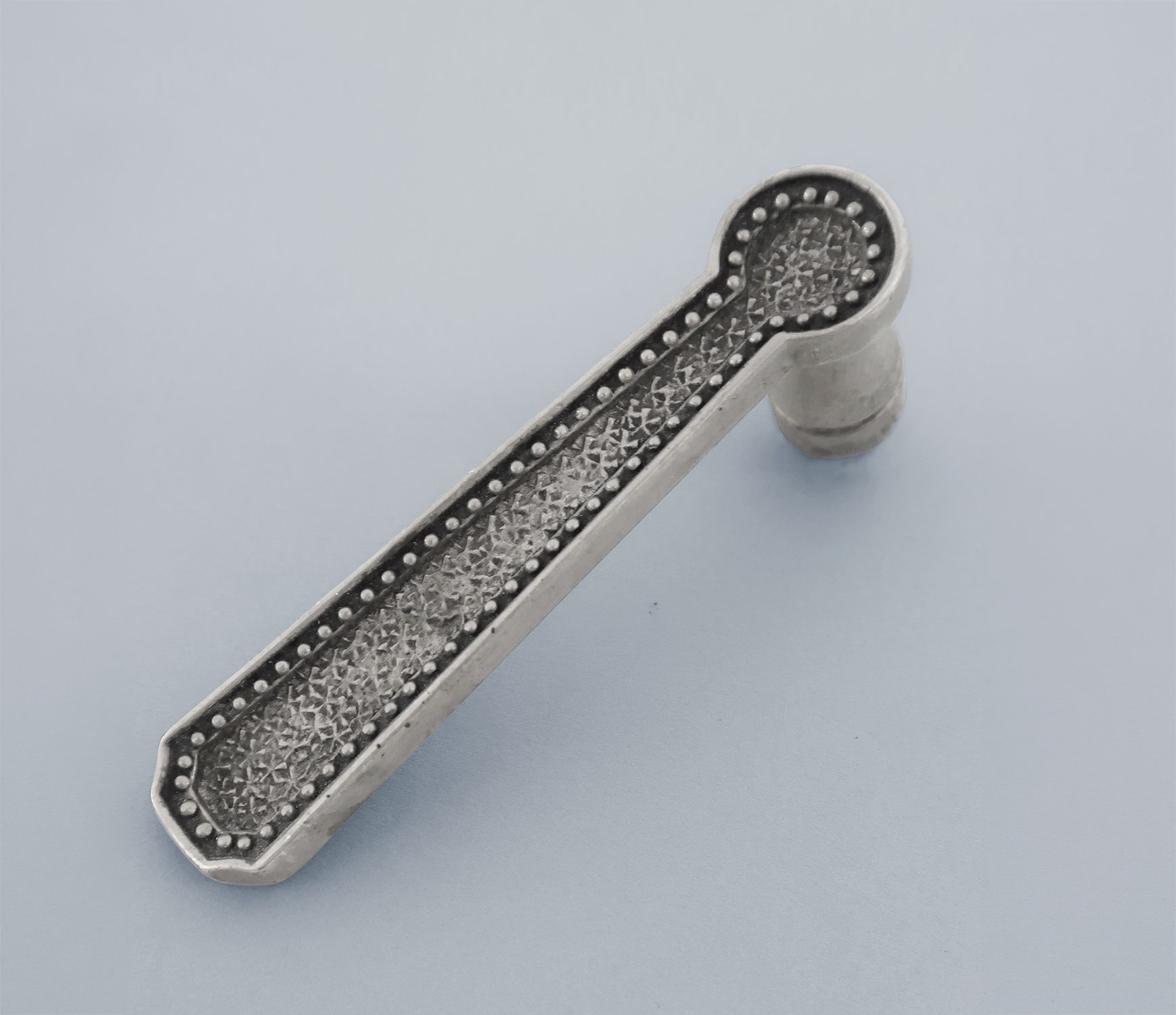
Antique silver is a living finish, meaning that it is intentionally left unlacquered so the metal can interact with its environment and continue to oxidize and change with age, handling, and use.
Rather than being sealed beneath a polyurethane or lacquer coating, the surface is allowed to develop naturally: frequently touched areas become brighter, while protected recesses deepen in tone.
For those who want to see the passage of time in interiors, this evolving character is one of antique silver’s great attractions. The cost of antique silver finishes is slightly higher than standard plated finishes. And antique silver finishes may require more thoughtful and regular maintenance than other plated finishes, particularly where a more consistent appearance is desired.
The History of Silver in Architectural Hardware
Silver has a long, if relatively uncommon, history in architectural hardware and the decorative arts. Before the development of modern electroplating, European craftsmen used various techniques of silvering to give base metals the luminous quality and prestige of precious metal.
In eighteenth- and early nineteenth-century interiors, silver and silvered fittings were sometimes reserved for objects and rooms of particular importance, lending refinement and distinction to finely worked details.
The development of electroplating in the nineteenth century transformed this tradition. French manufacturers such as Christofle, followed by major German firms such as WMF, brought silver finishes to a much broader range of tableware, decorative objects, furnishings, and fittings.
Silver was valued principally for its beauty, refinement, and association with precious metal, although contemporary writers also noted the qualities of cleanliness and hygiene traditionally associated with silver. Electroplating brought together traditional craftsmanship and luxury with the possibilities of modern metalworking.
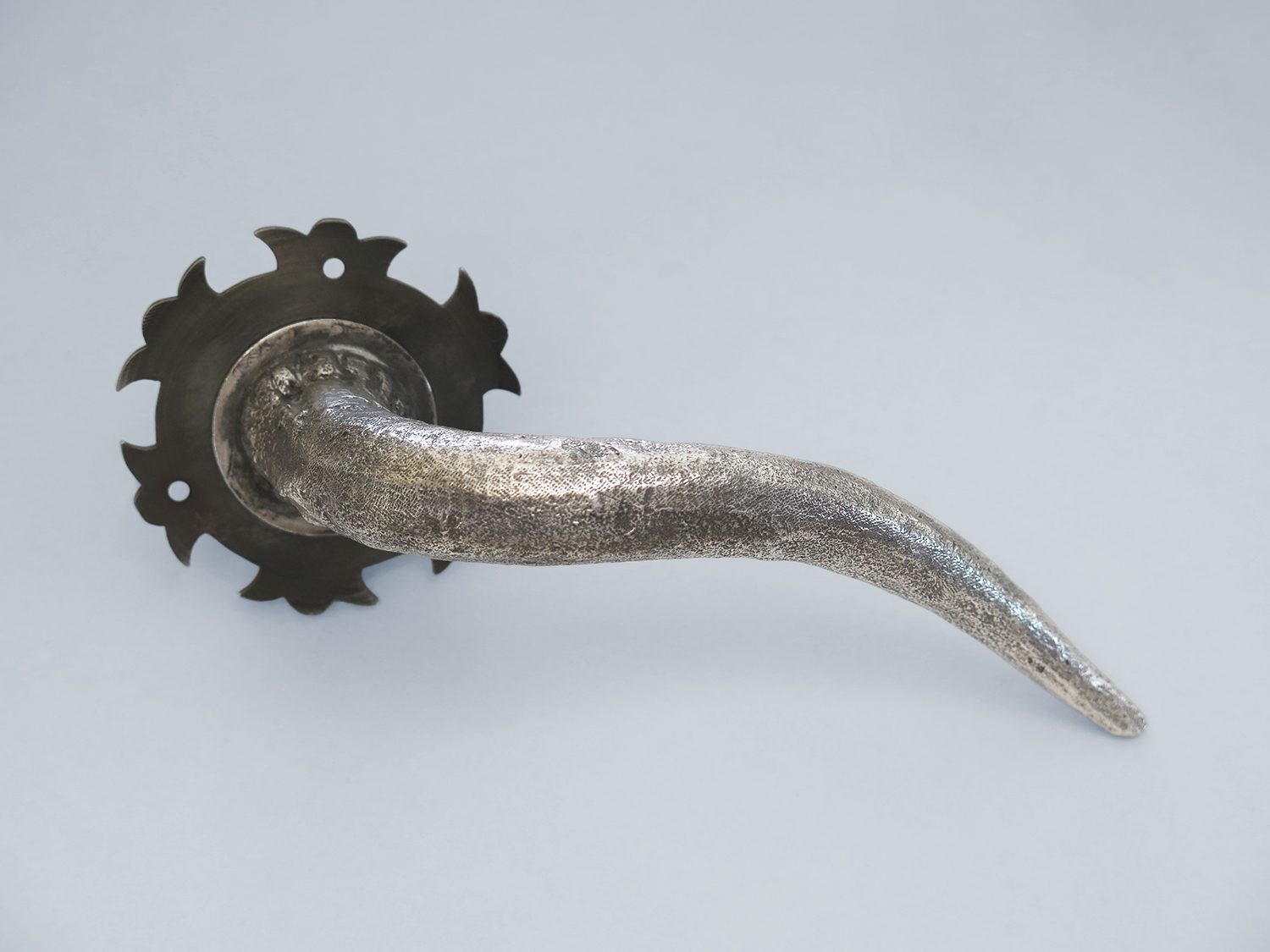
Silver reached a particularly sophisticated expression in the Art Deco period, when designers such as Émile-Jacques Ruhlmann and Jules Leleu juxtaposed silver and silvered metal with richly figured ebony, rosewood, and other exotic materials.
The luminosity of silver provided a striking counterpoint to the warmth and depth of dark woods—a combination that remains remarkably modern and continues to inspire hardware and decorative metalwork.
That history helps explain the unusual versatility of Antique Silver today. It is entirely at home in a traditional or Colonial Revival interior yet works equally well in contemporary architecture where warmth is desired without high sheen or brightness.
At H. Theophile, we find antique silver works well in pairings with rock crystal, dark woods, and other natural materials.
When Is Antique Silver Not the Right Choice?
The exceptions are relatively few. Where a project requires hardware to remain visually uniform and essentially unchanged, or where minimal maintenance is a priority, a nickel finish may be more appropriate.
In very high-touch applications, antique silver will also evolve more noticeably as frequently handled areas brighten in contrast to protected surfaces. Oceanfront and high humidity conditions cause silver to age and tarnish much more quickly, requiring more frequent maintenance and cleaning. The regularity of maintenance and cleaning will depend on how much aging and tarnishing is desired.
This is less a limitation than an aesthetic consideration: for those who appreciate the passage of time and use, that evolution is part of the finish's appeal.
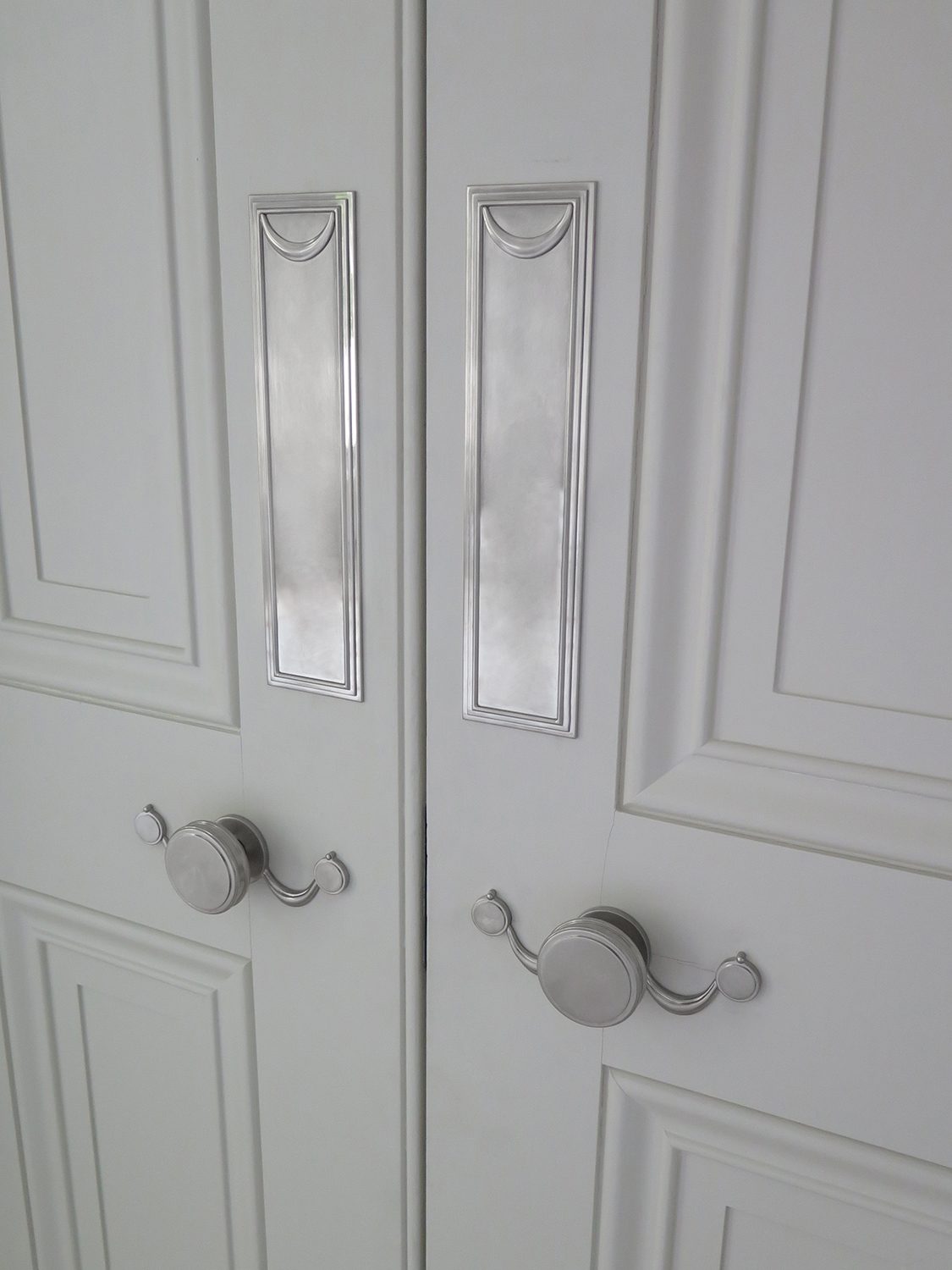
Lightly Burnished Nickel Finish: An Alternative to Antique Silver
One useful alternative is our lightly burnished nickel finish. Of our nickel finishes, it comes closest to the appearance of light antique silver.
The burnishing softens and lightens the temperature of the nickel, bringing its brightness and tonal character surprisingly close to silver while providing a more stable, lower-maintenance surface.
It is an excellent choice when the appearance of light antique silver is desired without the same degree of change over time.
Erich Theophile
finishes