Art Deco Hardware: A Field Guide
October 27, 2026 · Claire Blanchette
Explore the details that define Art Deco hardware and learn how H. Theophile's collection can bring the polished geometry of the machine age to door hardware and cabinetry in your home.
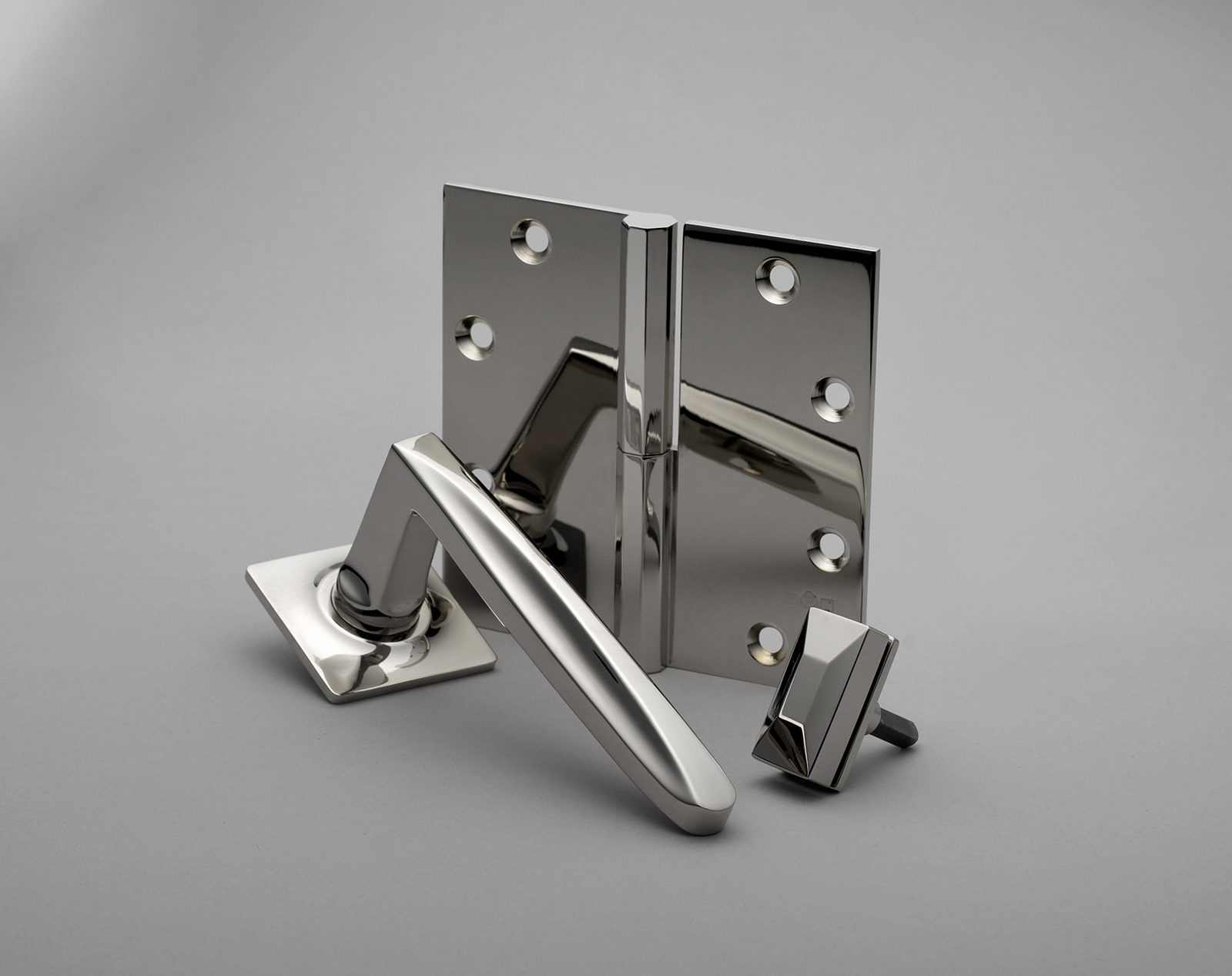
Art Deco took its name from the 1925 Exposition Internationale des Arts Décoratifs et Industriels Modernes in Paris and flourished in Europe and America through the 1930s. Art Deco combined traditional craftsmanship with emerging machine-age techniques, favoring geometric motifs, rich materials, and polished, streamlined forms. The style moved away from the dense, naturalistic ornamentation of earlier Victorian and Art Nouveau designs.
New York landmarks such as the Empire State Building, the Chrysler Building, and Radio City Music Hall remain celebrated examples of Art Deco architecture. Miami Beach offers a different, more colorful interpretation of the style, reflected in the façades of its smaller-scale buildings. Throughout the early 20th century, Art Deco influenced everything from architecture and ocean liners to door and cabinet hardware, including knobs, levers, and pulls.
Materials and Finishes of the Art Deco Period
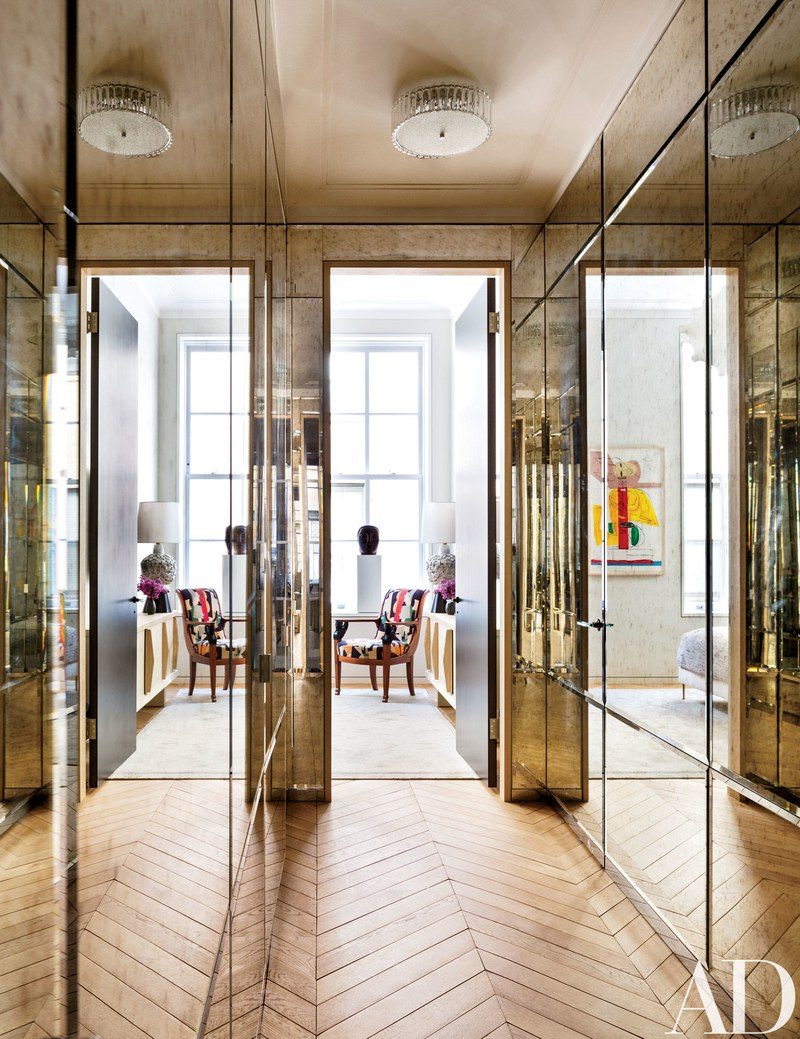
Art Deco interiors featured luxurious materials, including mahogany, ebony, walnut, and richly figured veneers, often accented by marquetry, lacquer, parchment, and shagreen. Architectural hardware incorporated polished brass, bronze, nickel, and chrome, with reflective surfaces reinforcing the modern character of the period.
Key Characteristics of Art Deco Hardware
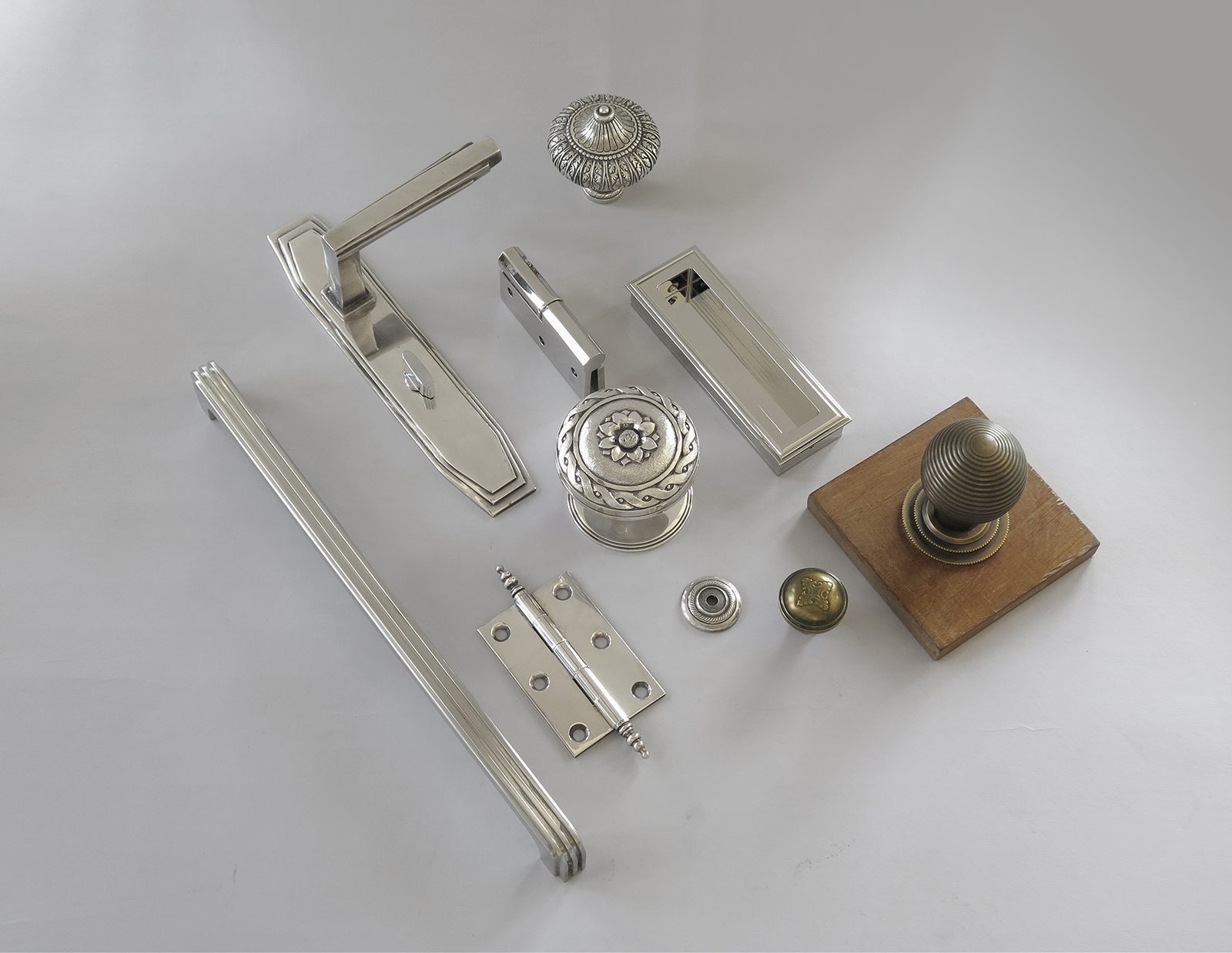
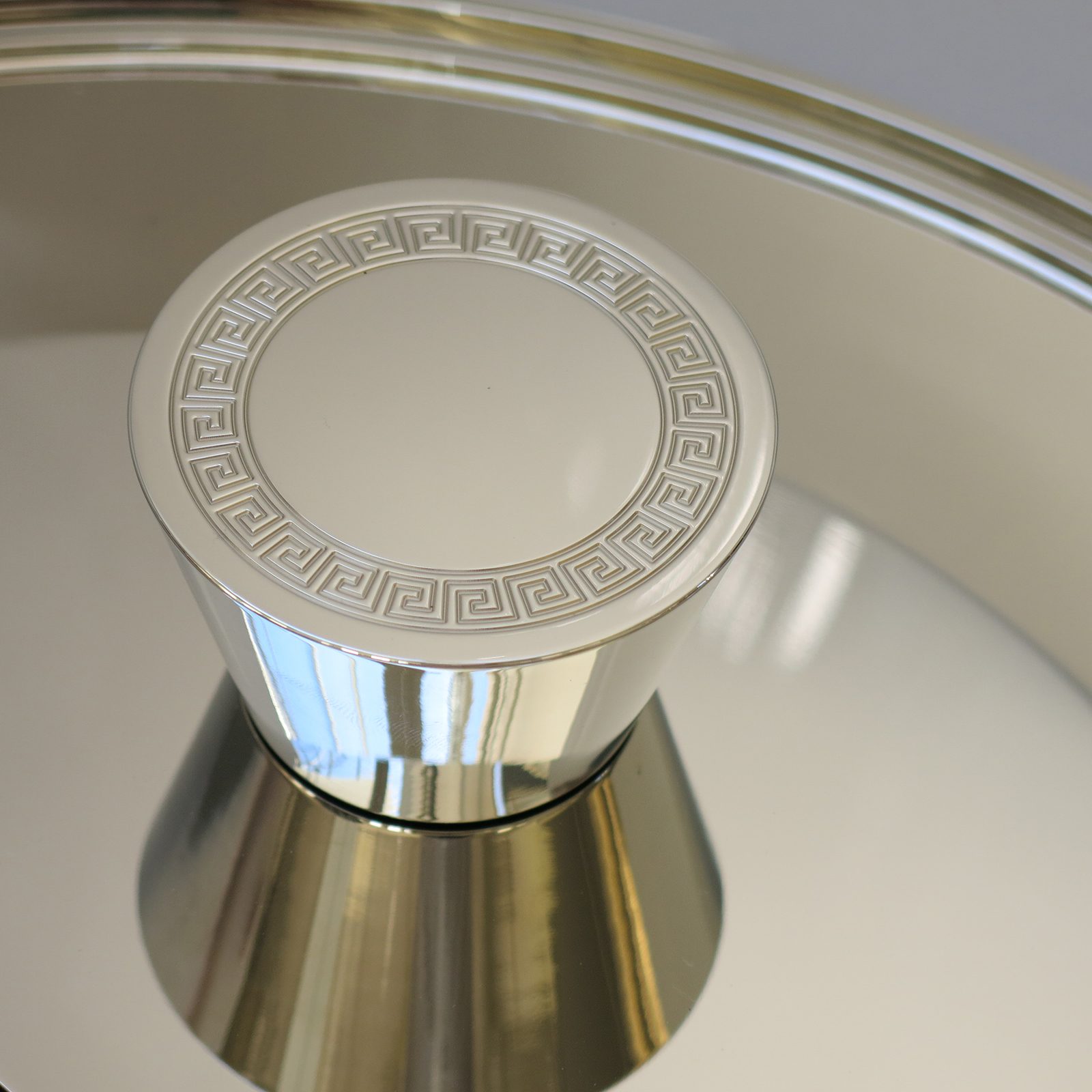
Geometry over nature. Concentric circles, triangular patterns, and strong, straight lines replaced the curling vines and floral motifs associated with earlier decorative styles.
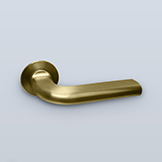
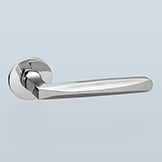
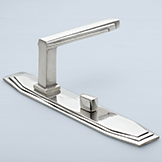
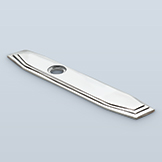
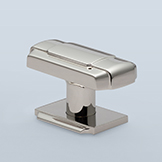
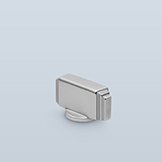
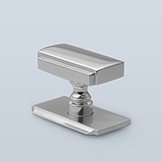
Stepped and faceted profiles. Architectural setbacks and stepped hardware profiles shared a common geometric vocabulary. These details appeared in the profiles of door handles and cabinet pulls, as well as the stepped perimeters of backplates and recessed pulls.
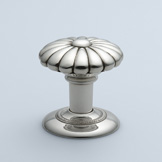
Radiating forms. Sunbursts, fans, and concentric rings were frequently incorporated into decorative hardware, including door knobs, levers, and backplates.
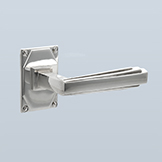
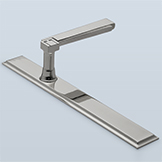
Chevrons, zigzags, and fluting. These design features are especially characteristic of Art Deco work. Fluted and reeded details emphasized verticality and symmetry, particularly on the long, narrow backplates commonly used with door knobs and levers during the period.
Notable Design Influences
Art Deco was a major influence on art, interiors, and architecture in Europe and the United States between the First and Second World Wars.
Among the most influential French designers were Jacques-Émile Ruhlmann and Jean-Michel Frank, whose furniture and interior designs remain highly sought after today. Ruhlmann was celebrated for his refined proportions, exquisite craftsmanship, and luxurious materials, while Frank developed a more restrained aesthetic characterized by simplicity of form and exceptional materials.
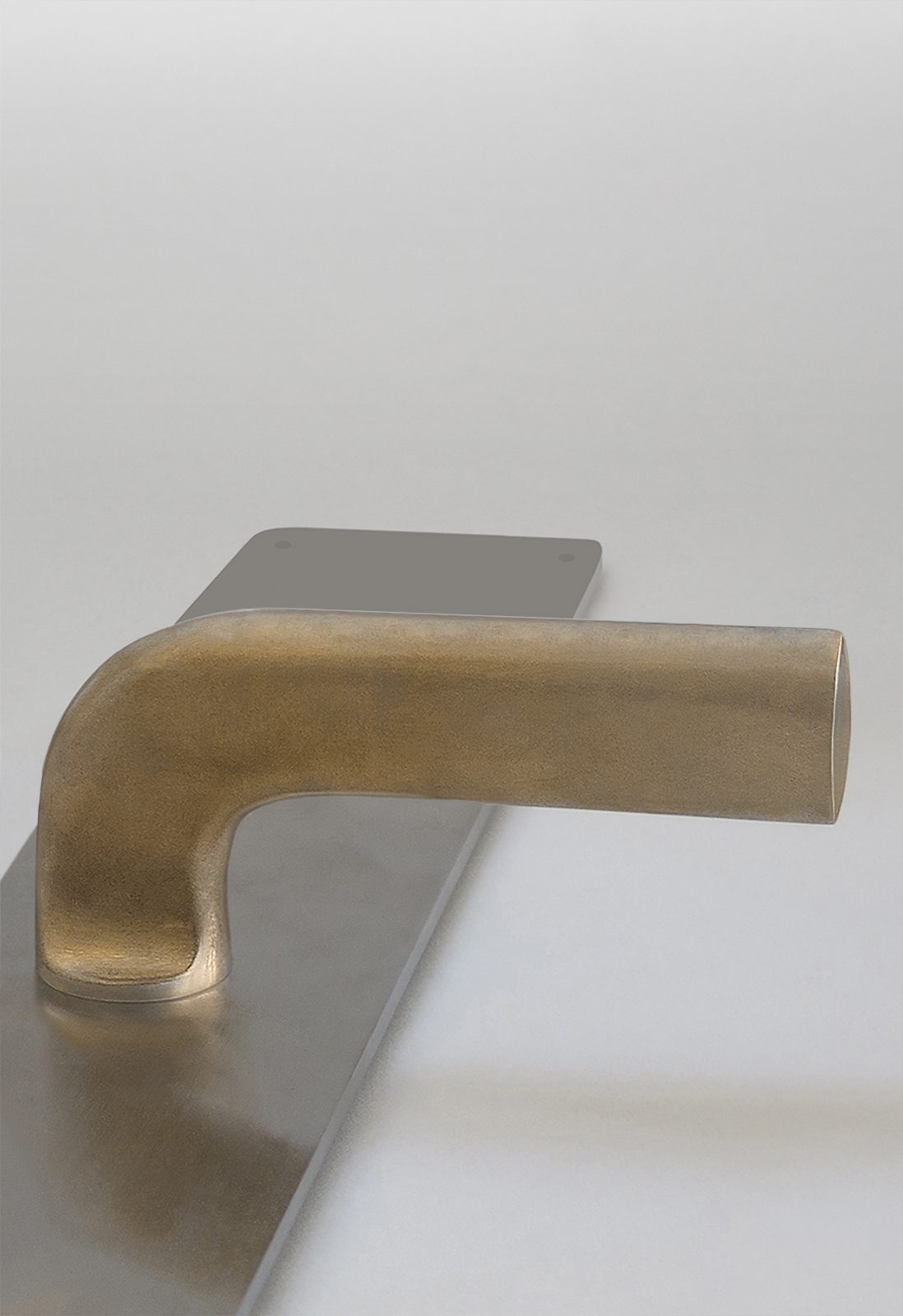
Both designers have influenced H. Theophile's collection of door handles and architectural hardware, particularly in the attention given to proportion, geometry, and finely executed details.
Bringing Art Deco Design Elements and Hardware into Your Home
Many designers capture the spirit of the Art Deco period by incorporating select elements into an interior, whether through furniture, chandeliers and sconces, mirrors, or door and cabinet hardware. Contemporary interiors rarely require a complete historical replication of Art Deco style. Instead, a particular room or area, such as a living room, library, office, or bar, can provide an opportunity to introduce distinctive Deco elements.
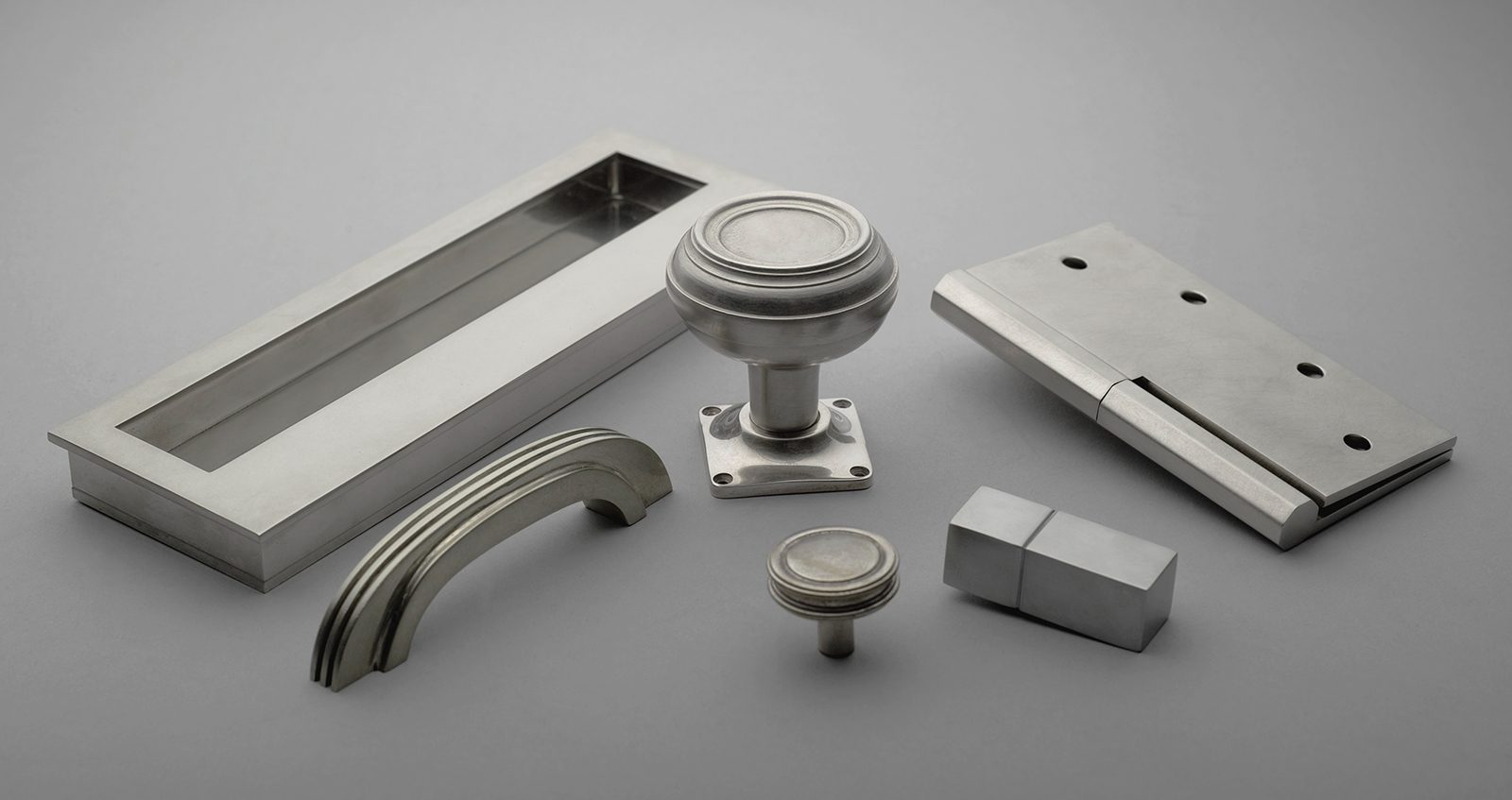
Use cohesive or complementary design motifs. Select a complementary vocabulary of Deco motifs and incorporate these details selectively throughout a room.
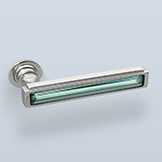
Let proportions guide you. Elongated backplates are particularly well suited to tall doors, reinforcing the vertical emphasis characteristic of Art Deco design. Smaller backplates draw attention to the details of the door handle itself. By pairing different H. Theophile levers and backplates, designers can introduce Art Deco references with varying degrees of emphasis, from subtle geometric detailing to more pronounced period-inspired compositions.
Mix with intention. Deco-inspired hardware should complement the overall design direction of an interior. Look for shared lines, finishes, and a consistent level of detailing. Art Deco hardware can also be paired with contemporary furnishings and modern décor, introducing visual interest and architectural character without overwhelming a space.
Consider colors, finishes, and design palettes. Bold colors, rich jewel tones, metallic finishes such as chrome and polished brass, and highly polished dark or burled woods are characteristic of Art Deco interiors. These elements can be balanced with more restrained, neutral palettes for a contemporary interpretation.
In Conclusion
Art Deco drew inspiration from historical design traditions, contemporary culture, and the emerging machine age to create a distinctive language of geometry, proportion, and refined materials. Art Deco hardware can be incorporated into both traditional and contemporary interiors, introducing architectural detail without requiring a complete period interpretation.