Choosing and Specifying Kitchen Appliance Pulls
November 17, 2026 · Erich Theophile
Unifying a kitchen design across cabinet knobs and pulls, appliance pulls, and millwork requires understanding how the space is used.
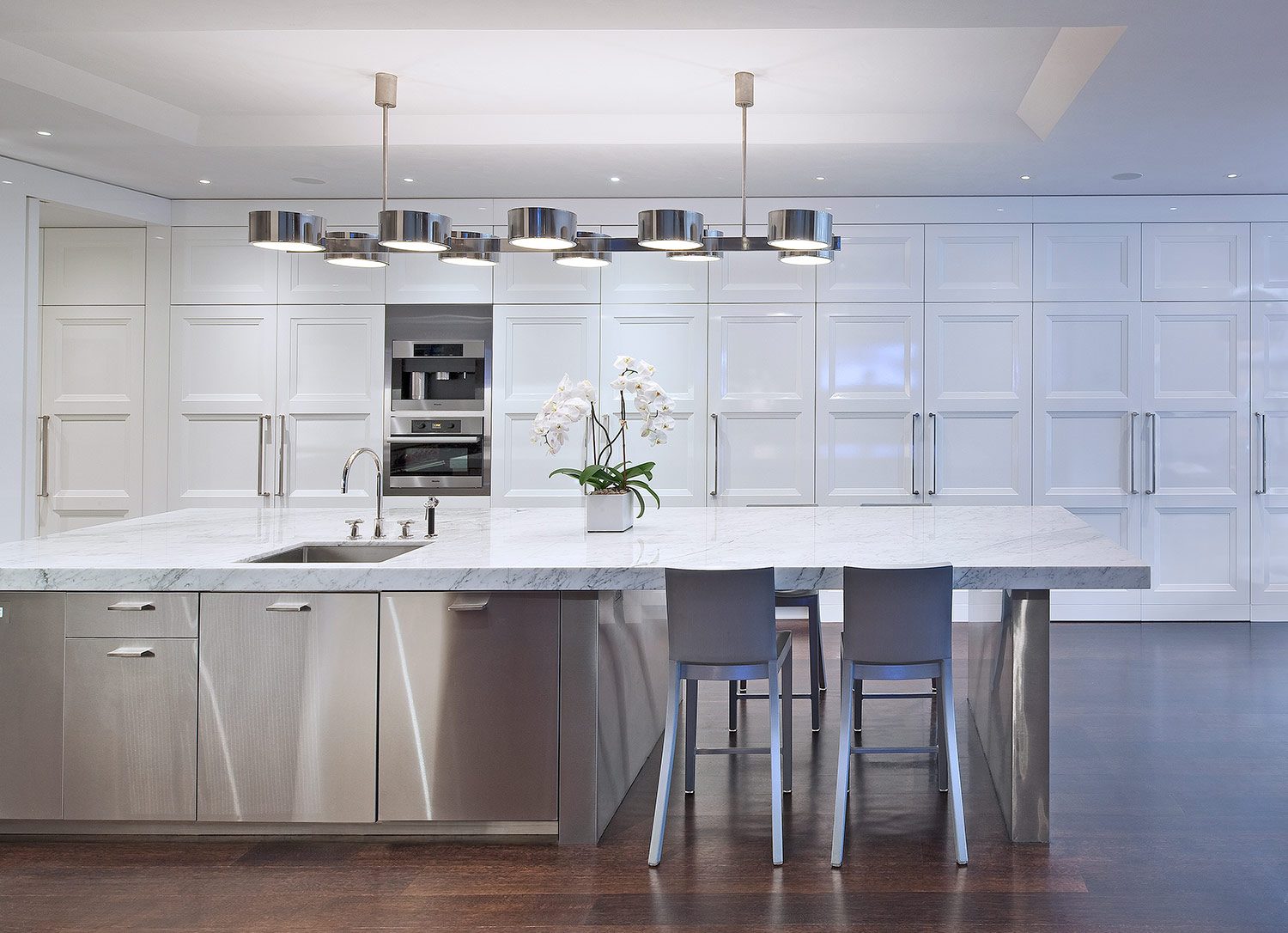
Kitchens for large families have different needs than those of young urban couples, and differ from homes that entertain with staff and caterers.
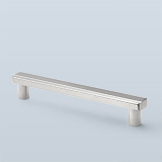
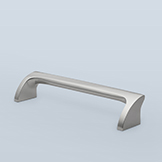
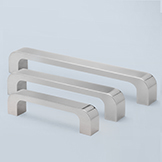
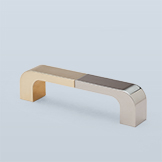
For kitchens with detailed millwork, selecting suitable pulls for the various kitchen appliances is an important step in the design process. Appliance pulls are frequently larger-scale versions of the custom cabinet hardware already in use.
Many hardware styles are suitable for custom cabinet pulls and appliance pulls. Hardware with intricate decorative details may not be ideal for high-use kitchens as they are prone to collect dirt and grease.
Refrigerators
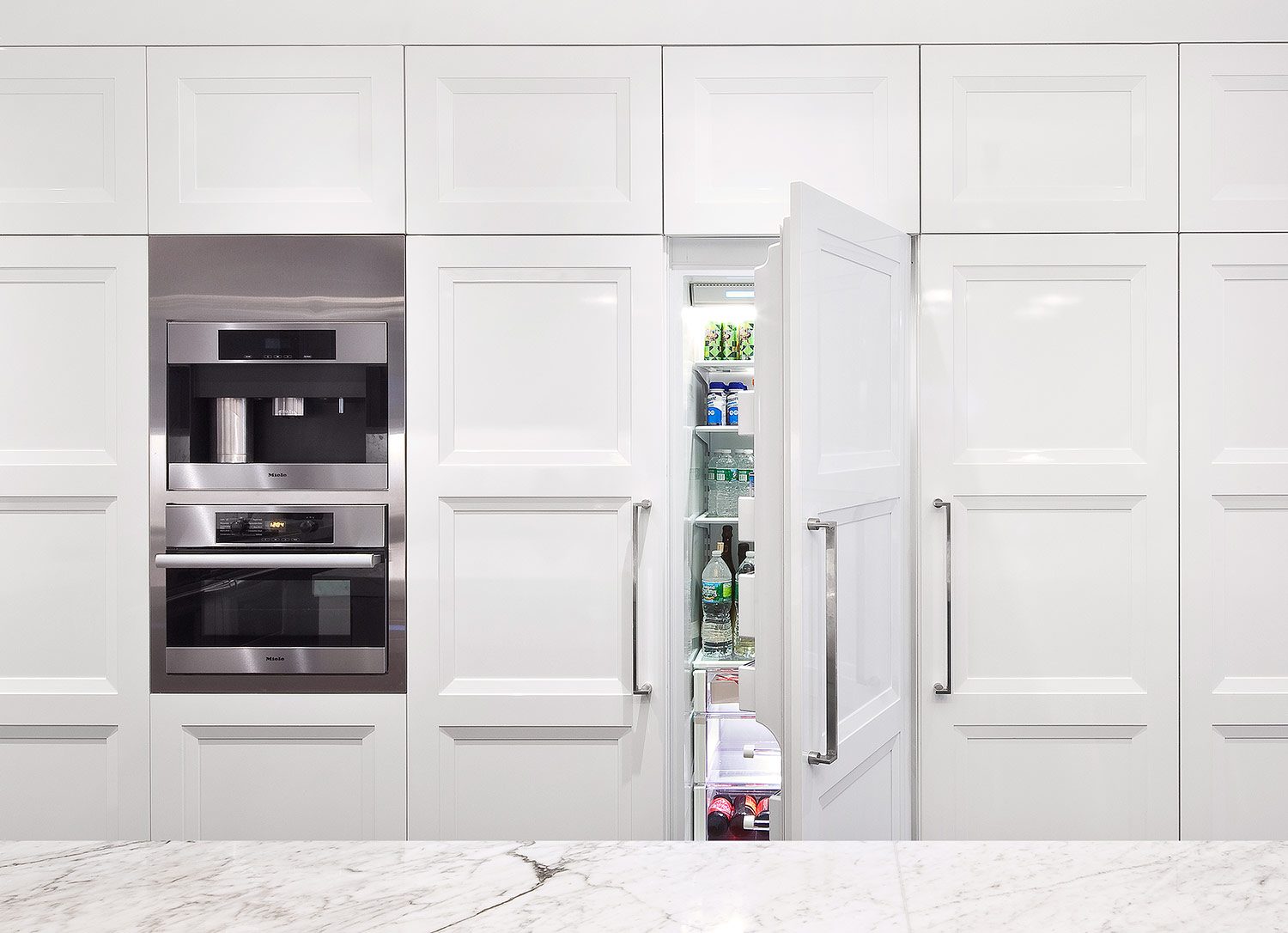
Avid cooks and families with children open refrigerators many times during the day. Appliance pulls need to be easy to grab, sturdy and comfortable, and have enough “purchase” for frequent usage.
Because many modern refrigerators provide an airtight seal when closed, a refrigerator door can be difficult to re-open for 30-60 seconds after closing. This “air seal locking” requires that any custom appliance pull be strong enough if pulled on during the “locked” duration.
Typical appliance pull lengths for refrigerator doors range from 12 to 15 inches. Longer pulls may be specified.
Freezer and refrigerator drawers
Freezer and refrigerator drawers typically install below the counter. Many full-height refrigerators have a bottom-mount freezer with a pull-out drawer. A fully loaded freezer drawer can be surprisingly heavy, so the appliance pull needs to be strong and secure to handle that weight daily.
Freezer drawers open by pulling straight out, making a centered, horizontal pull the natural choice. Two stacked drawers typically use the same pull length on both. On top drawer pulls, leave enough clearance between the countertop overhang so fingers have room to grip comfortably.
Wine refrigerators
Wine refrigerators range from compact undercounter units to full-height wine columns or wine storage units. Many have glass doors so the bottles stay on view.
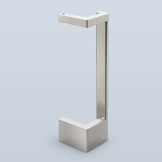
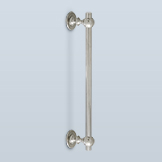
On a tall wine column, a vertical pull mounted along the opening edge of the door gives a comfortable grip at standing height. On undercounter units, vertical pulls suit doors that swing open, while horizontal pulls suit drawer-style storage, or match the orientation of existing kitchen cabinet hardware.
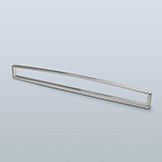
Glass doors bring their own considerations. Some require pulls to fasten to the door frame; confirm available mounting width and location of mounting points with the manufacturer. A slim profile or open wire pull creates a clean visual effect for door pulls on glass doors that are viewed against the bottles behind it.
Ice makers
Undercounter ice makers are usually placed beside a bar sink, in a butler's pantry, or at the end of an island. They are used heavily during parties with someone moving quickly with a glass or an ice bucket in hand. A pull that is easy to reach and grab is helpful here.
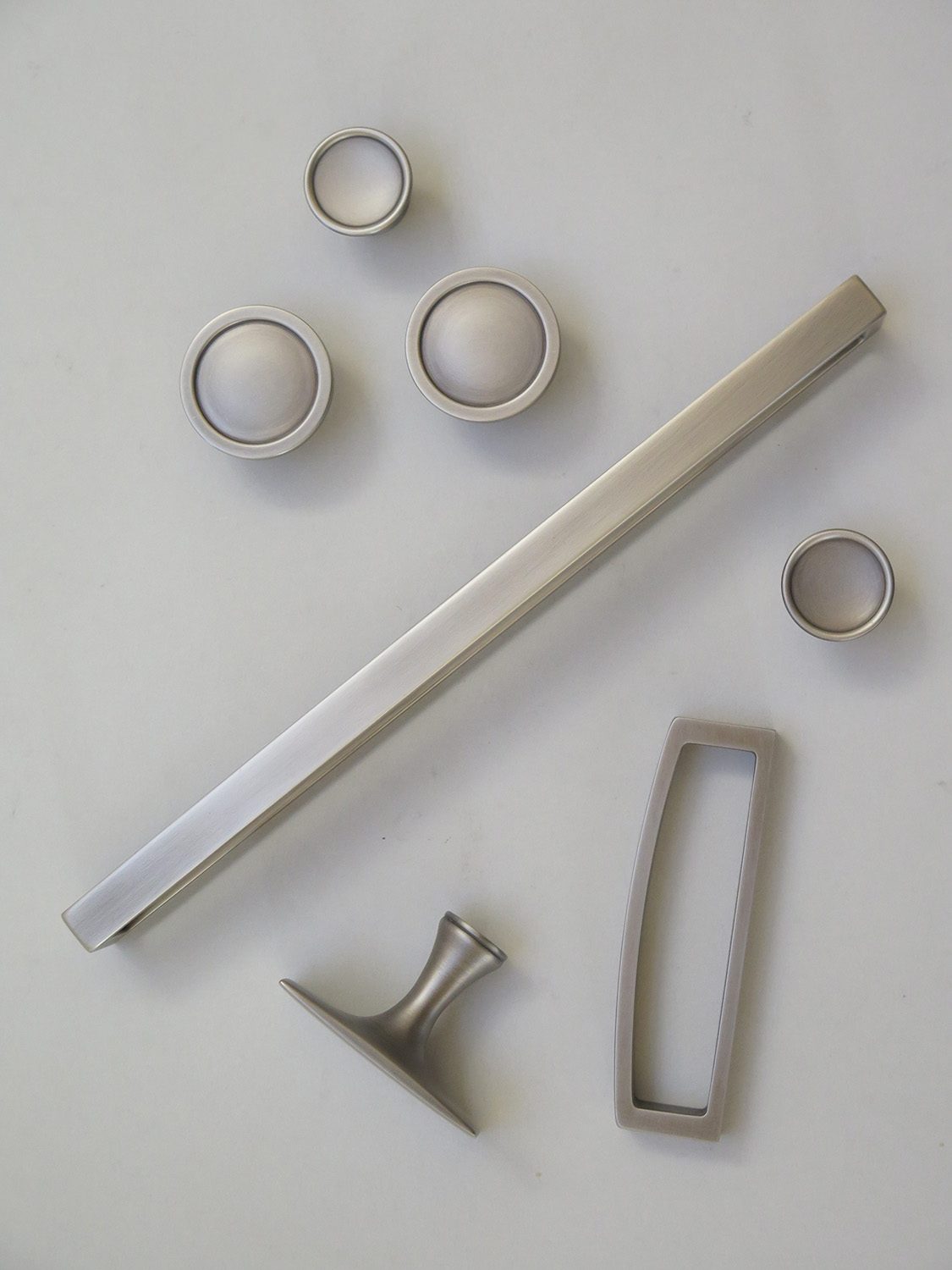
Since the door is small, a short pull works well. Check which way the door opens before choosing the orientation of the pull, since some models swing open and others drop down.
Dishwashers
Panel-ready dishwashers blend in with the surrounding cabinetry, hiding the controls along the top edge of the door. Because the door drops down, a horizontal pull mounted near the top of the panel is typical. Confirm the pull location against the manufacturer's panel template, since the controls and the internal structure of the door limit where screws can go.
Dishwashers are usually next to the sink, where people stand for long stretches and lean against the cabinets. Choose a pull with a modest projection while leaving enough clearance to comfortably hang a dish towel.
Ovens
Custom hardware is not typically an option for ovens. Most manufacturers supply their own handles designed to withstand the oven’s heat. Some manufacturers offer handles in several finishes, making it easier to coordinate with custom kitchen hardware.
Catering, service and support kitchens
Larger homes often have a second kitchen, sometimes called a catering kitchen, service kitchen or support kitchen. These are spaces typically used by staff and caterers who are working quickly and may not know the space well.
Function generally comes first in a service kitchen. Simple, robust pulls that are easy to see, grip, and clean. Many homeowners still want the service kitchen to relate to the main kitchen, so a simpler pull in the same finish, or a pared-down version of a decorative design, can keep the two spaces connected without giving up durability.
Types of appliance pulls
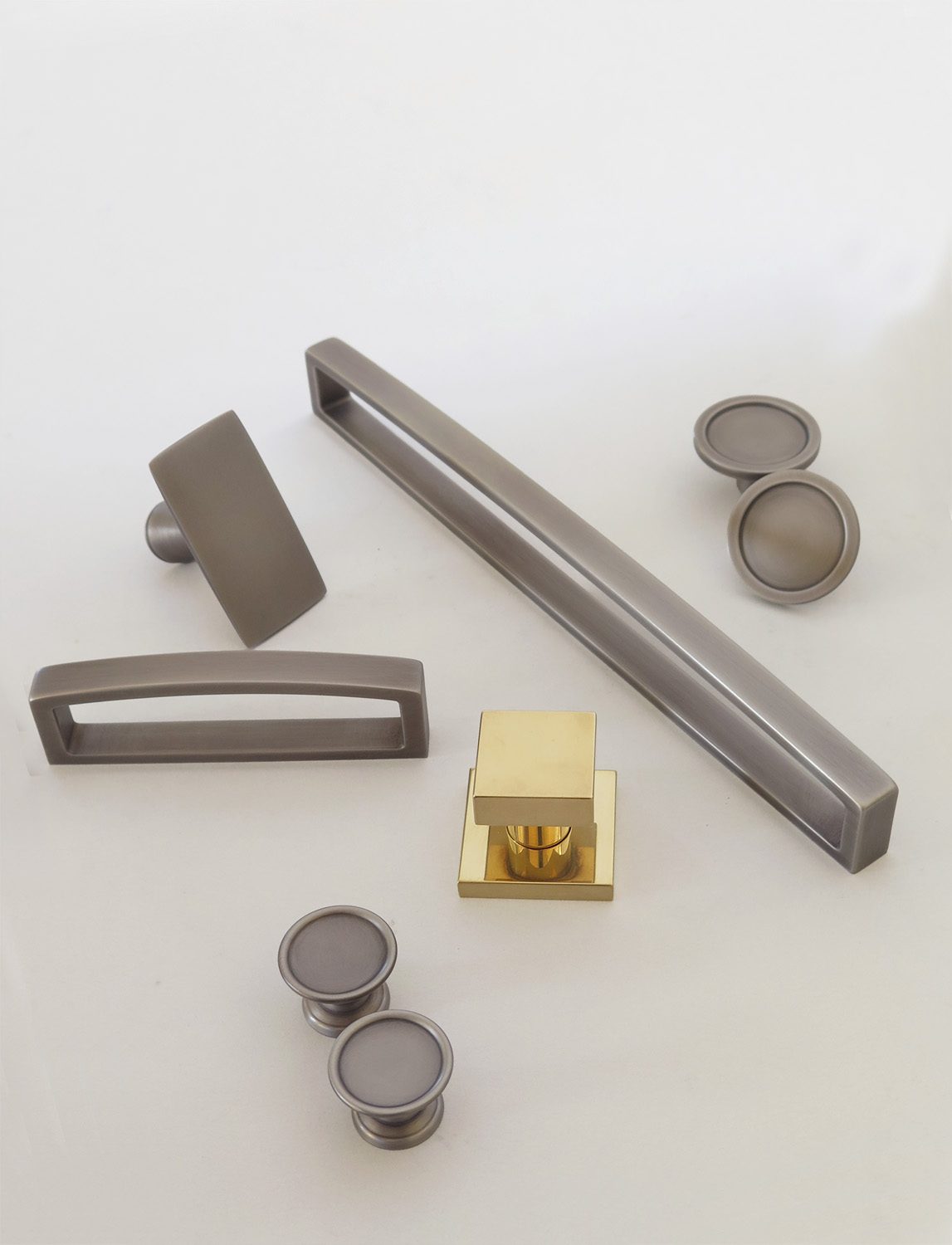
Appliance pulls are variations on a few basic types. The right choice depends on the appliance, the clearance available, and the overall look of the kitchen.
Wire pulls
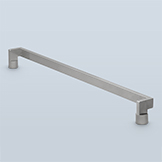
Wire pulls are made from a continuous rod bent into a simple U or rectangular shape. Their open form is easy to grab which makes them a practical choice for high-use fixtures like refrigerators and freezer drawers. Wire pulls come in a wide range of styles and are easy to scale for use on cabinet doors or appliances.
Flush pulls
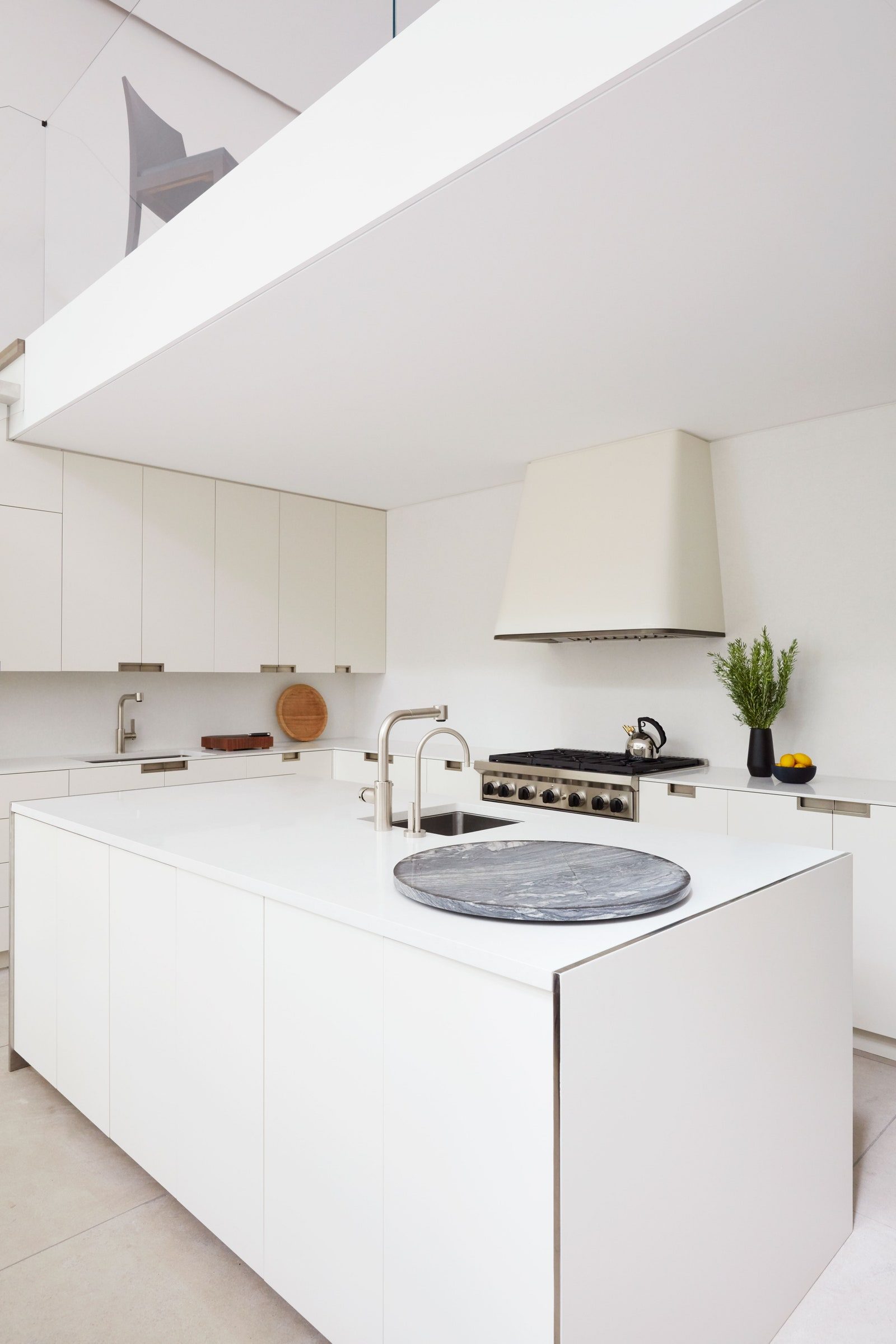
Flush pulls recess into the face of a door or drawer. They work well where clearance is tight, such as a door that opens next to a wall or an island with a narrow walkway. In minimalist kitchens, their low-profile provides a seamless look.
To ensure proper fit, confirm that the existing cabinetry is thick enough to accept a recess. Because a flush pull offers a fingertip grip, it is better suited to lighter doors and drawers.
Final note
The right custom appliance pulls unify a kitchen into one design language. First, choose premium cabinet hardware and then size appliance pulls in relation to them, working from the largest appliance doors to the smallest. Custom appliance pulls match the profiles and finishes of existing or specified cabinet hardware, ensuring visual consistency across the entire kitchen.
Explore H. Theophile's collection of appliance pulls for custom kitchens