Pocket Door Pulls: H. Theophile’s Innovative Door Cuffs
November 13, 2026 · Claire Blanchette
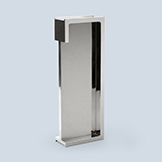
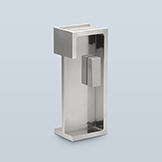
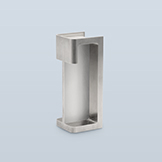
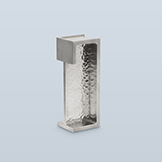
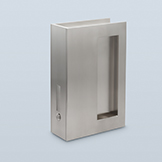
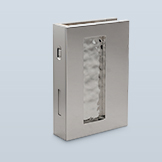
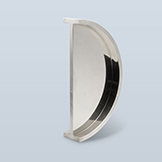
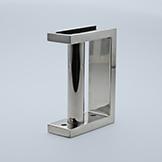
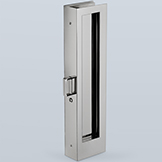
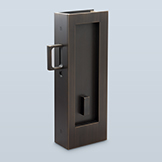
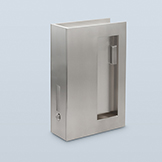
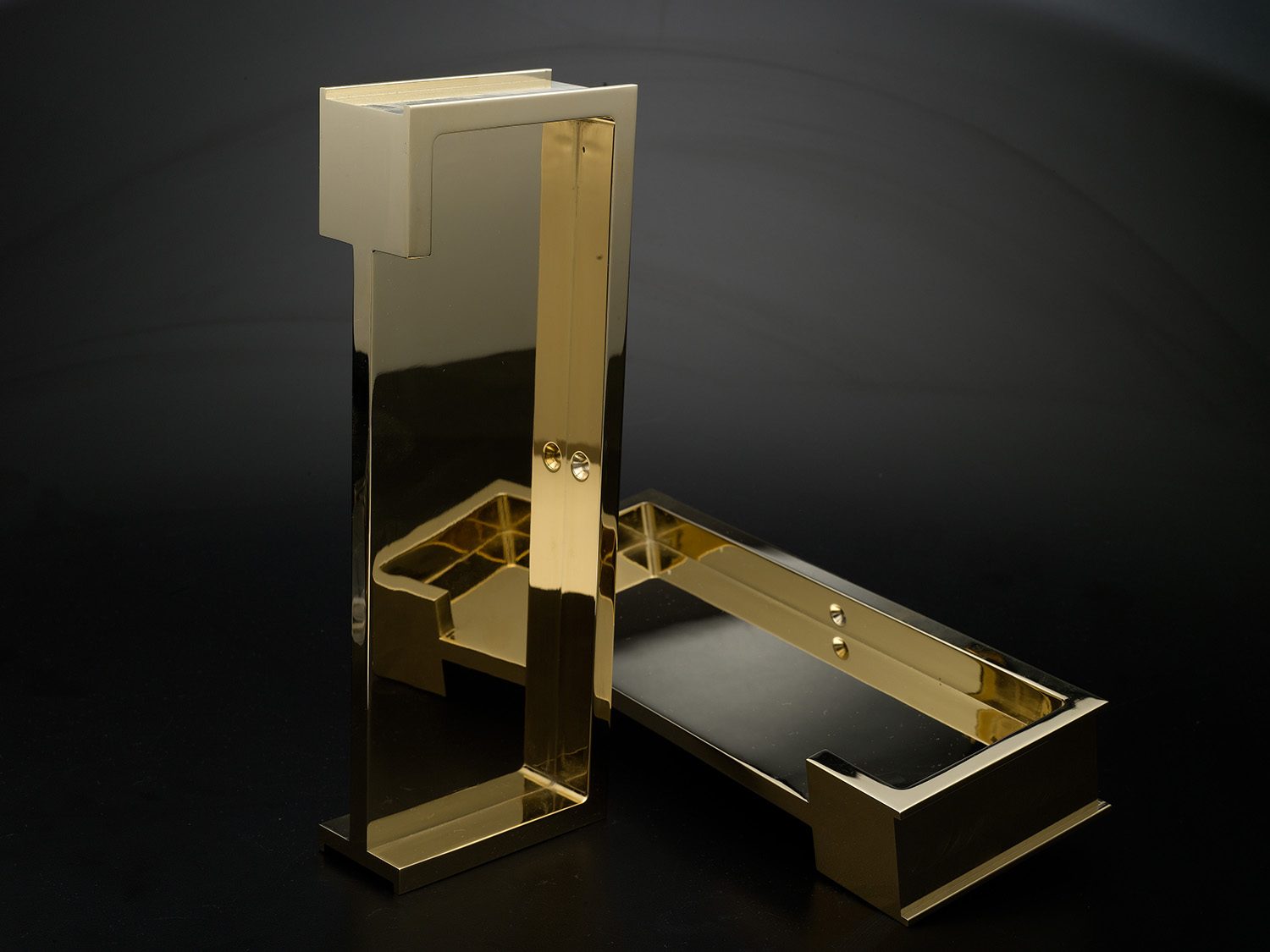
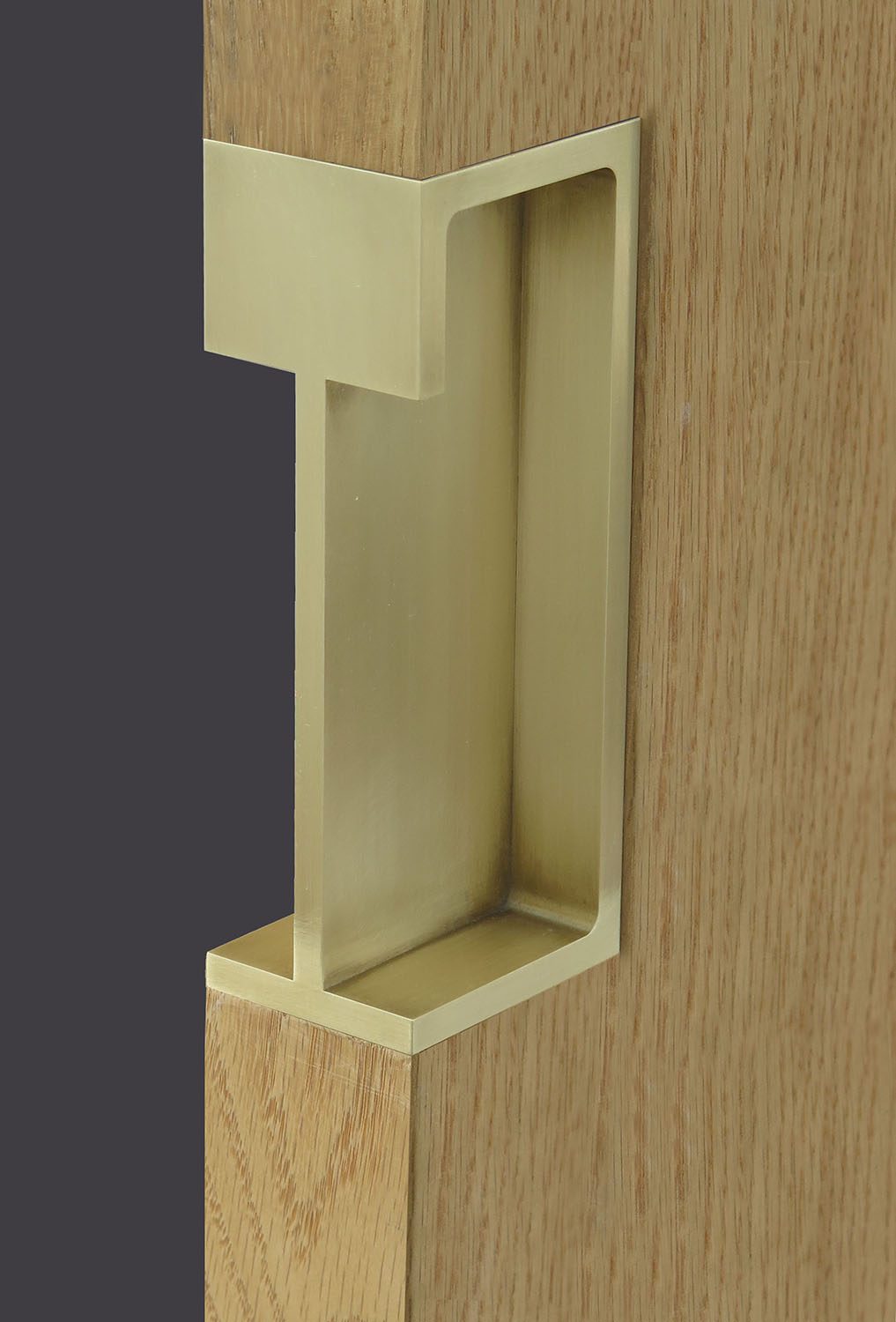
The cuff is H. Theophile's answer to the pocket door hardware problem; a signature, one-piece wrap-around architectural assembly designed specifically for pocket doors, sliding doors, and barn doors.

Pocket doors require specialized hardware to enable the door to retract into the wall while providing a comfortable grip to retrieve the door from the pocket, and when needed, privacy locking. Traditional pocket door hardware typically consists of separate flush pulls, an edge pull, and a lockset
What is H. Theophile's Pocket Door Cuff?
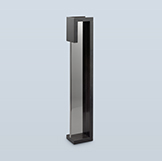
The cuff is H. Theophile’s signature architectural pocket door hardware which wraps around the thickness of the door and integrates door trims with a concealed mechanism or pull. Originally designed by H. Theophile, the cuff replaces multiple separate components, like pocket door edge pulls, with a single, unified assembly.
Door cuffs can be specified in custom sizes and finishes and are designed to conform to specific door details.
Why Pocket Doors Need Specialized Hardware
Pocket doors retract into the wall and hardware typically involved multiple parts: a flush or recessed pull on each door face, an edge pull to retrieve the door out of the pocket, and when required, a compatible lockset.
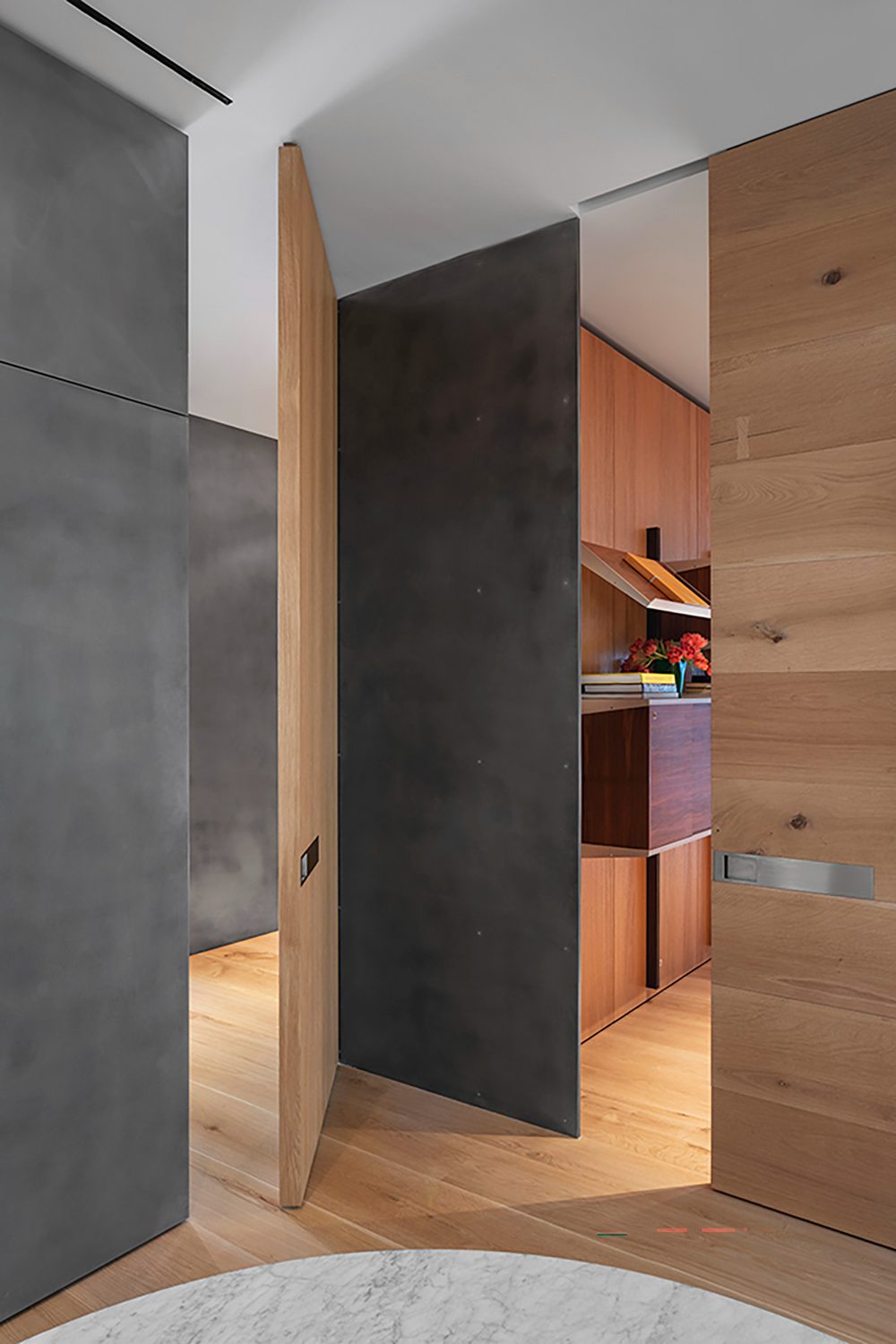
The best door pulls for pocket doors clear the pocket cleanly, sit comfortably in the hand, and support the level of privacy the room requires. The cuff does that in one deliberate gesture.
How Pocket Door Cuffs Improve Function and Design
In a standard pocket door set-up, a flush pull solves clearance, and an edge pull solves retrieval. Add a lock, and you introduce another installation alignment challenge. The cuff has many advantages over traditional pocket door hardware including:
Single-component installation: The cuff combines recessed pulls, edge retrieval, and optional locking functions into a single assembly, simplifying installation by reducing the need to install and align separate hardware components.
Minimalist design: The cuff provides a cleaner, more streamlined architectural appearance by integrating multiple hardware functions into a single assembly.
Customized for the door: The cuff can be custom designed to conform to door details and trims.
Pocket Door Privacy Locks and Locking Functions
Bathrooms, bedrooms, home offices, and other areas may require a privacy locking function. With conventional pocket door hardware, privacy or keyed locking can require additional components and careful alignment of parts during installation.
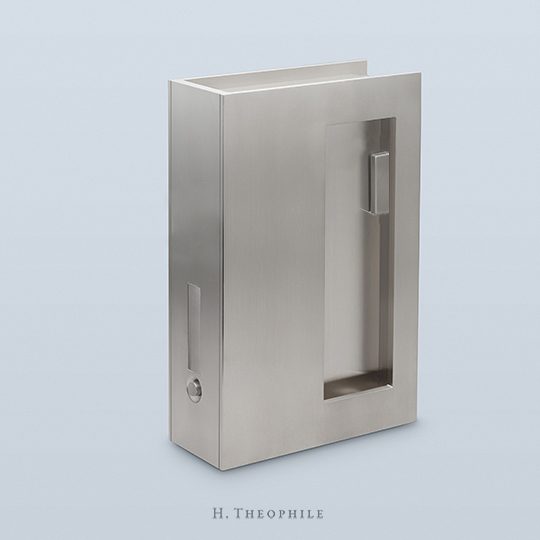
The cuff integrates thumbturns and locking mechanisms into the same wrap-around unit, so the functional needs of the door are addressed without fragmenting the design. The result is a pocket door that closes, locks, and releases with simplicity and refinement.
Custom Pocket Door Hardware: Measurements and Specifications
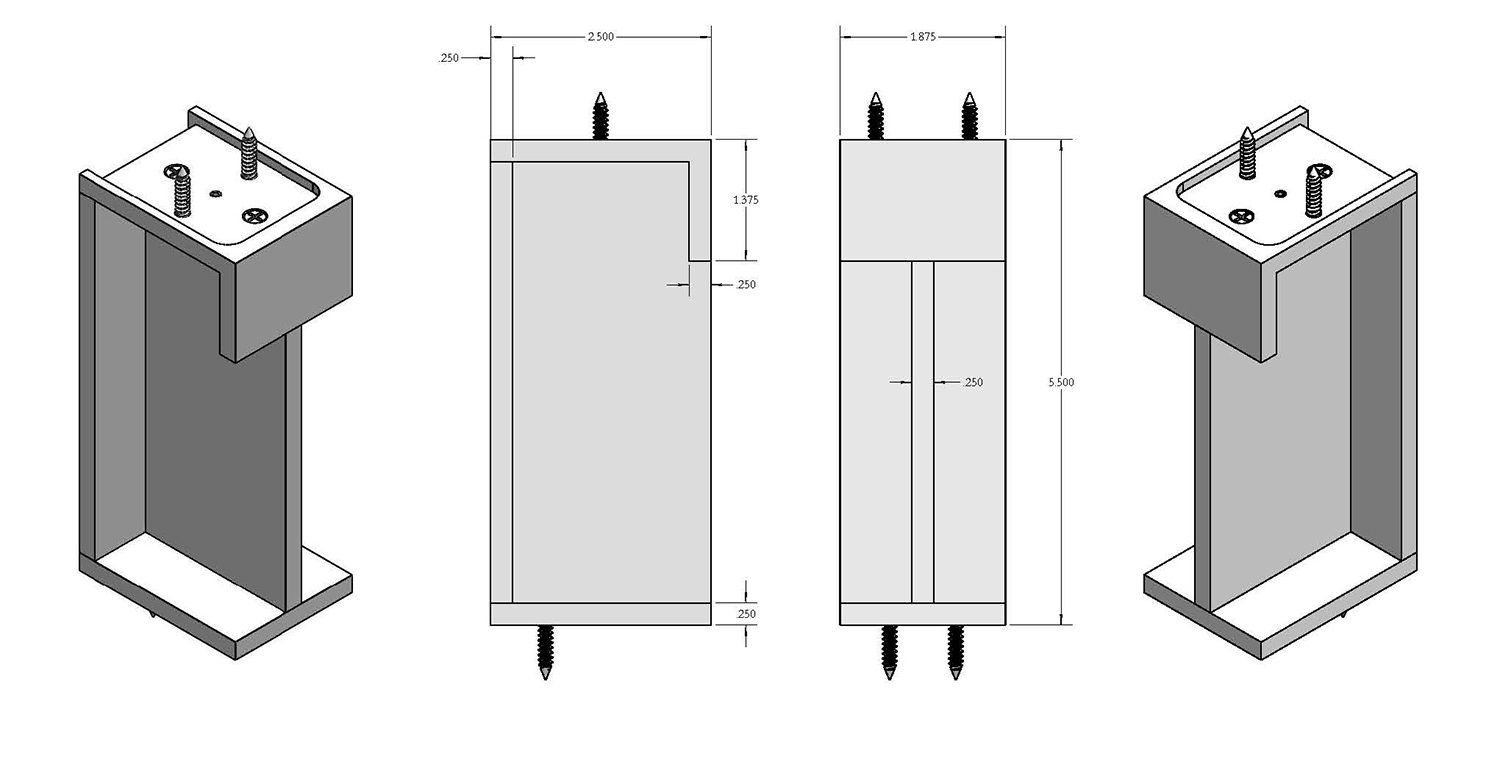
H. Theophile’s door cuffs are customized to fit each door, ensuring precise fit and a comfortable grip. If you are replacing existing hardware, measure the current cutout before ordering. Retrofit conditions often determine what can be covered cleanly and what requires new door preparation.
Before selecting door cuffs for pocket doors, use this quick checklist:
Door thickness: Measure the door thickness to ensure compatibility of the specified cuff.
Pocket clearance: Ensure the hardware does not contact the wall, trim, or pocket framing throughout the door's full travel.
Lock requirement: Decide whether you need passage, privacy, or keyed locking functionality.
Door and elevation details: Note any adjacent trims, profiles, or design features in elevation that the cuff hardware must align with.
Finish coordination: Compare and match finishes of cuff to other door hardware or metal fixtures.
Installing Custom Pocket Door Cuffs
The cuff simplifies pocket door hardware installation by consolidating components into one assembly. While a door cuff eliminates the need for complex, meticulous installations of multiple pocket door hardware components, it still requires precise door preparation for a truly flush, architectural result.
A typical process includes:
Confirm placement. Mark comfortable operating height and verify the location does not conflict with rails, panels, or existing preparation.
Use the correct pre-mortise template. H. Theophile typically provides pre-mortise templates for doormakers to CNC the pocket doors ahead of final cuff hardware delivery.
Test the fit. The unit should sit true, without rocking or binding, and must not protrude into the pocket path.
Check full travel of door. Slide the door fully open and closed to confirm clearance at jamb and pocket.
Verify locking action. For privacy or keyed functions, test engagement repeatedly before final tightening.
Final Note
H. Theophile's pocket door cuff offers an innovative alternative to conventional pocket door hardware by integrating flush pulls, edge retrieval, and optional locking functions into a single, precision-machined assembly. Customized to complement the door's design, dimensions, and finish, H. Theophile’s cuff provides a streamlined architectural solution for pocket doors.
The best door pulls for pocket doors clear the pocket cleanly, sit comfortably in the hand, and support the level of privacy the room requires. The Cuff does that in one deliberate gesture.
Explore H. Theophile's collection of Door Cuffs for pocket doors and swing doors.